
Introduction
Are you looking for a natural way to heal from injuries or pain? PRP therapy, also known as platelet-rich plasma therapy, uses your own blood to help your body recover. Many people choose PRP therapy for recovery because it supports healing without added chemicals. In this blog, you will learn how PRP therapy works and why it is a popular choice for natural healing. We will also cover what to expect and how to make the most of your recovery journey.
What is PRP Therapy?
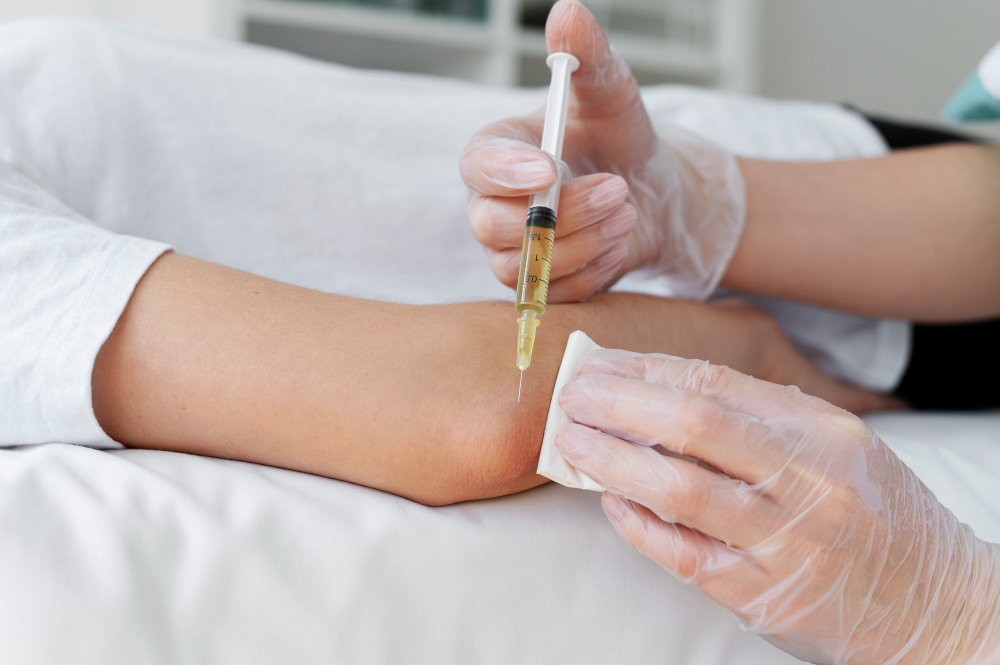
PRP stands for platelet-rich plasma. It is a treatment that uses a part of your own blood to help heal injuries. First, a doctor takes a small amount of your blood. Then, they spin it in a machine to separate the platelets. Platelets are tiny cells that help your body heal wounds. After that, the doctor injects the platelet-rich plasma into the area that needs healing. Because PRP uses your own blood, it is a natural healing option.
How Does PRP Therapy Work?
PRP therapy works by using your body’s own healing powers. After the platelet-rich plasma is injected, the platelets release growth factors. These growth factors help repair damaged tissue and reduce swelling. As a result, your body can heal faster and more naturally. Many people notice less pain and better movement after a few weeks. However, results may vary from person to person.
Common Conditions Treated with PRP
Doctors use PRP therapy for many health problems. Some common conditions include:
Because PRP therapy is natural, it is often used when other treatments do not work. Orthopedic PRP treatment is popular for joint and muscle problems.
Benefits of Healing Naturally with PRP
There are many reasons people choose natural healing with PRP. Some key benefits include:
Additionally, PRP therapy for recovery is safe for many people. Still, it is important to talk to your doctor first.
What to Expect During PRP Treatment
Before your PRP treatment, your doctor will explain the steps. Here is what usually happens:
The whole process often takes less than an hour. Most people can go home the same day. You may feel some soreness, but this usually goes away quickly.
Recovery Tips and Lifestyle Guidance
After PRP therapy, you can help your body heal by following these tips:
With proper care, you may notice better results from your PRP therapy. Always ask your doctor before starting new activities.
Potential Risks and Considerations
Although PRP therapy is safe for most people, there are some risks. These may include:
However, because PRP uses your own blood, serious side effects are rare. Still, it is important to discuss your health history with your doctor before starting platelet-rich plasma therapy.
Frequently Asked Questions about PRP Therapy
Conclusion
In summary, PRP therapy offers a natural way to support your body’s healing process. It is safe, uses your own blood, and may help you recover faster from injuries or pain. If you want to learn more about PRP therapy for recovery, consult an orthopedic specialist at Dr. Irfan’s THE KLINIK to see if it is right for your journey.