
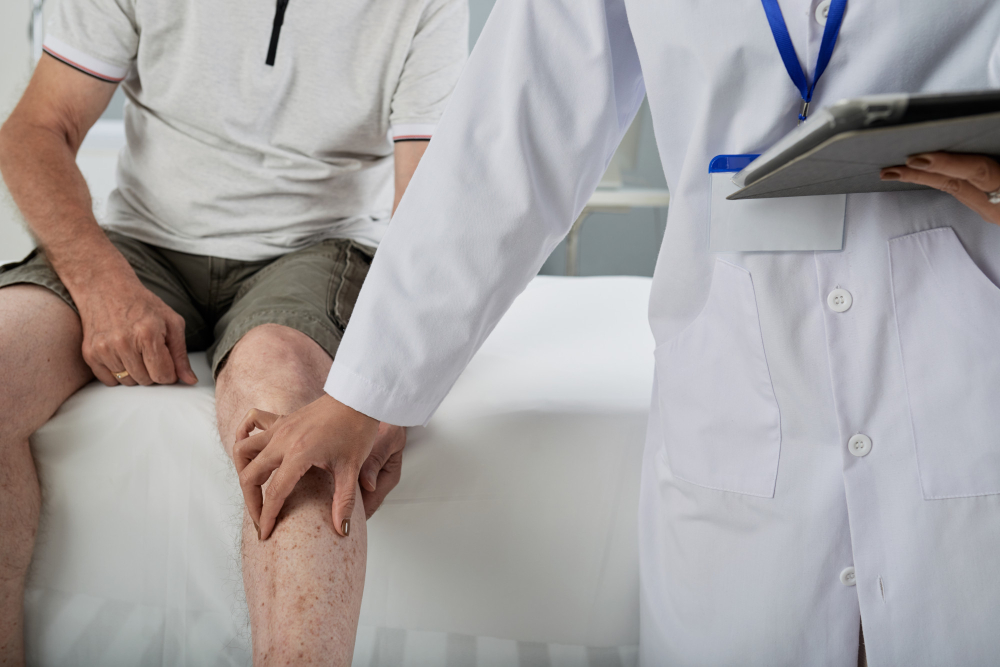
What Is Knee Osteotomy?
Knee osteotomy is a type of knee realignment surgery. Doctors use it to treat knee pain caused by uneven wear. In this procedure, the surgeon cuts and reshapes the bones around your knee. As a result, pressure shifts away from the damaged area. This can help relieve pain and improve movement. Many people choose knee osteotomy to delay or avoid knee replacement surgery.
Who May Benefit from Knee Osteotomy?
Not everyone with knee pain needs this surgery. However, knee osteotomy helps certain people more than others. You may benefit if you:
For example, athletes or active adults often choose this option. It can help them return to sports or daily activities.
Symptoms and Conditions Leading to Knee Osteotomy
Several symptoms may lead your doctor to suggest knee osteotomy. Common signs include:
Often, these symptoms come from osteoarthritis. This is a condition where the cartilage in your knee wears down. Sometimes, injuries or uneven bone growth can also cause these problems.
How Knee Osteotomy Is Diagnosed
First, your doctor will ask about your symptoms and medical history. Next, they will examine your knee. They may check for swelling, tenderness, or changes in shape. To confirm the need for knee osteotomy, doctors often use:
With these tests, your doctor can decide if knee realignment surgery is right for you.
The Knee Osteotomy Procedure: Steps and Techniques
Knee osteotomy is usually done in a hospital. Here is what you can expect:
There are two main types of knee osteotomy:
Your doctor will choose the best method for your needs.
Benefits and Expected Outcomes
Knee osteotomy offers many benefits. For instance, it can:
According to orthopedic studies, most people see less pain and better movement after surgery. However, results may vary based on your age and health.
Risks and Potential Complications
Like any surgery, knee osteotomy has risks. It is important to know these before deciding. Possible risks include:
However, most people recover without major problems. Your doctor will discuss knee osteotomy risks with you before surgery.
Recovery Process and Rehabilitation Tips
Recovery after knee osteotomy takes time. Usually, you stay in the hospital for a few days. At first, you may need crutches or a walker. Physical therapy starts soon after surgery. This helps you regain strength and movement. Here are some tips for a smooth recovery:
Most people return to normal activities within three to six months. However, full recovery may take longer for some.
Prevention and Lifestyle Guidance After Surgery
After knee osteotomy, it is important to protect your knee. You can lower your risk of future problems by:
With these steps, you can keep your knee healthy and enjoy better movement for years.
Conclusion
Knee osteotomy is a proven way to relieve pain and improve knee function. It may help you stay active and delay knee replacement. However, it is important to understand the risks and recovery process. Consult an orthopedic specialist at Dr. Irfan’s THE KLINIK to see if knee osteotomy is right for you.