
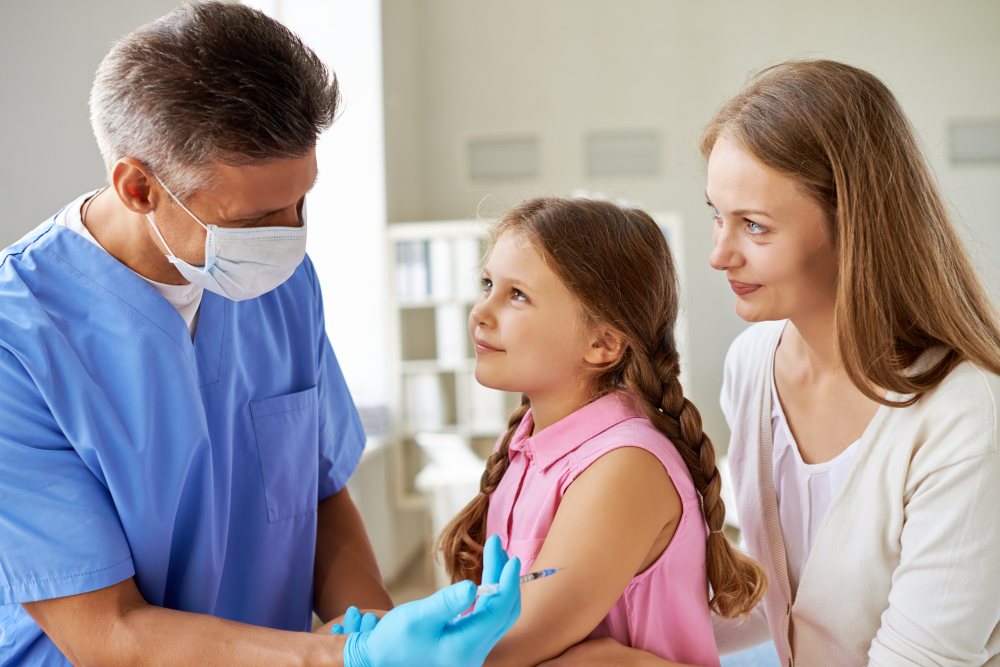
What Are Vaccines?
Vaccines are special medicines that help protect children from dangerous diseases. They work by teaching the body to fight germs before kids get sick. For example, when a child gets a vaccine, their body learns to defend against certain viruses or bacteria. As a result, vaccines help keep children healthy and safe.
How Vaccines Protect Children
Vaccines matter for kids because they stop many serious illnesses. When a child gets vaccinated, their immune system becomes stronger. This means their body can fight off infections more easily. In addition, vaccines help prevent the spread of diseases to others. So, when more children get vaccinated, everyone in the community stays safer.
Common Diseases Prevented by Vaccines
Many dangerous diseases can be stopped with vaccines. Some of the most common preventable diseases in kids include:
Because of vaccines, many of these diseases are now rare. However, they can return if children are not vaccinated.
Safety and Effectiveness of Childhood Vaccines
Many parents wonder about vaccine safety for children. According to the CDC and WHO, vaccines are tested carefully before they are given to kids. After approval, experts continue to check their safety. Most side effects are mild, like a sore arm or slight fever. Serious reactions are very rare. In fact, the benefits of childhood immunization far outweigh the risks. Vaccines save millions of lives every year.
Myths and Facts About Vaccines
Sometimes, people hear myths about vaccines. Let’s look at some common myths and the real facts:
Therefore, it is important to trust reliable sources for vaccine information.
Importance of Following the Vaccination Schedule
Doctors follow a set schedule for childhood vaccines. This schedule is designed to protect children when they are most at risk. If vaccines are delayed, kids may not be fully protected. For this reason, following the recommended vaccination schedule is very important. Your child’s doctor can help you keep track of all needed shots.
How Parents Can Support Immunization
Parents play a big role in keeping their children healthy. Here are some ways you can support childhood immunization benefits:
By staying informed, you help protect your child and others.
Prevention and Community Benefits
Vaccines do more than protect one child. When most children are vaccinated, diseases cannot spread easily. This is called herd immunity. As a result, even babies and people who cannot get vaccines are safer. In addition, vaccines help prevent outbreaks in schools and communities. So, the importance of vaccines for children goes beyond each family. Everyone benefits when kids are protected.
Consult Dr. Irfan’s THE KLINIK to ensure your child’s vaccinations are up to date and to get personalized advice.