
What is Dyslipidemia?
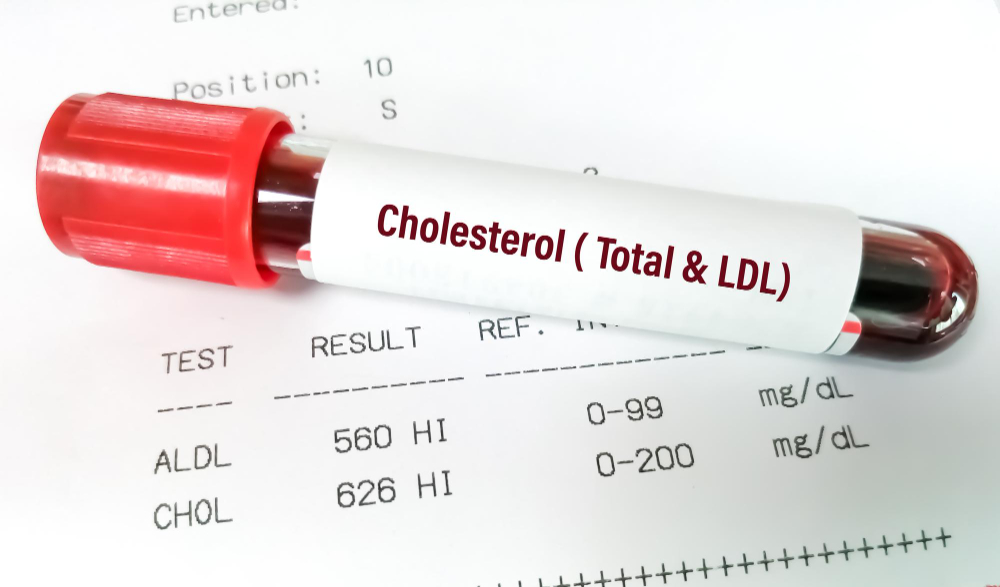
Dyslipidemia is a condition where the levels of fats, like cholesterol or triglycerides, in your blood are not normal. Usually, these fats are either too high or too low. Because of this, your risk for heart disease and stroke can increase. In fact, many people do not know they have dyslipidemia until they get a blood test. Early detection is important for good health. According to the World Health Organization (WHO), managing blood fat levels helps prevent heart problems.
Common Symptoms of Dyslipidemia
Often, dyslipidemia does not cause any symptoms. For this reason, many people feel healthy even if their cholesterol is high. However, in some cases, you may notice signs such as:
Still, most people only find out about dyslipidemia through routine blood tests. Therefore, regular check-ups are important.
Causes and Risk Factors
There are several causes and risk factors for dyslipidemia. Some people inherit it from their parents. However, lifestyle choices also play a big role. Common causes and risk factors include:
Because these factors can add up, it is important to know your risks.
How Dyslipidemia is Diagnosed
Doctors diagnose dyslipidemia with a simple blood test called a lipid panel. This test measures:
Usually, you need to fast for 9 to 12 hours before the test. After the results, your doctor will explain what your numbers mean. If your levels are not normal, you may need more tests or treatment.
Treatment Options for Dyslipidemia
Treating dyslipidemia often starts with lifestyle changes. However, some people also need medicine. Common treatment options include:
Because each person is different, your doctor will help you choose the best plan. According to the CDC, combining healthy habits with medicine works best for many people.
Prevention Tips and Healthy Lifestyle Guidance
Preventing dyslipidemia is possible for many people. To lower your risk, try these tips:
Because small changes add up, start with one or two steps today. Over time, you will see big benefits for your heart and overall health.
When to See a Doctor
It is important to see a doctor if you have risk factors for dyslipidemia. For example, if you have a family history of high cholesterol or heart disease, talk to your doctor. Also, if you notice chest pain, sudden weakness, or numbness, seek help right away. Regular check-ups help catch problems early. Early treatment can prevent serious health issues.
Consult Dr. Irfan’s THE KLINIK for personalized advice on dyslipidemia management.