
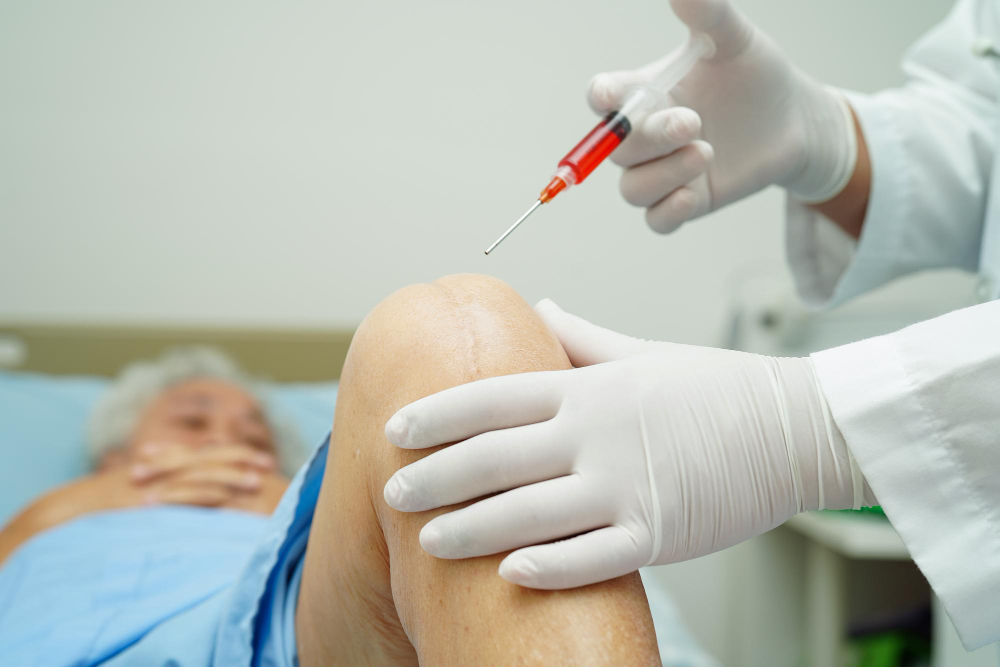
PRP in Orthopedic Care is gaining attention for treating joint pain and injuries. PRP stands for Platelet-Rich Plasma. This therapy uses your own blood to help heal damaged tissues. Many people ask about PRP treatment for joint pain and how platelet-rich plasma therapy in orthopedics works. In this blog, you will learn about PRP, its benefits, the procedure, and PRP recovery time. Understanding these facts can help you decide if PRP is right for you.
What is PRP Therapy?
PRP therapy is a treatment that uses a part of your blood called plasma. Plasma contains platelets, which are tiny cells that help with healing. Doctors take a small amount of your blood and spin it in a machine. This process separates the platelets from other blood parts. The result is platelet-rich plasma, which has more healing cells than normal blood. Doctors then inject this plasma into the injured area to help your body heal faster.
How Does PRP Work in Orthopedic Care?
In orthopedic care, PRP helps repair tissues like muscles, tendons, and joints. When doctors inject PRP into a painful area, the platelets release growth factors. These growth factors signal your body to start the healing process. As a result, damaged tissues can repair themselves more quickly. For example, PRP treatment for joint pain can reduce swelling and improve movement. Many people notice less pain and better function after treatment.
Common Orthopedic Conditions Treated with PRP
Doctors use PRP therapy for many orthopedic problems. Some common conditions include:
Additionally, PRP is sometimes used after surgery to speed up healing. However, not all injuries respond the same way. Always talk to your doctor about your options.
Benefits of PRP in Orthopedics
PRP in orthopedic care offers several benefits. Some of the main advantages include:
Moreover, PRP therapy is a natural way to boost your body’s healing. Many patients report feeling better within weeks.
The PRP Procedure: Step-by-Step
Understanding the PRP procedure can help you feel more comfortable. Here is what usually happens:
The whole process usually takes less than an hour. Most people can go home the same day.
Recovery and Aftercare Tips
After PRP therapy, recovery is often quick. However, you should follow your doctor’s advice for the best results. Here are some helpful tips:
Usually, PRP recovery time is short. Most people return to normal activities within a week. Still, healing times can vary based on your condition.
Risks and Considerations
PRP therapy is generally safe because it uses your own blood. However, as with any procedure, there are some risks. These may include:
Furthermore, PRP may not work for everyone. It is important to discuss your health history with your doctor. According to the CDC and peer-reviewed orthopedic journals, PRP is still being studied for some uses. Always choose a qualified orthopedic specialist for your care.
Frequently Asked Questions about PRP in Orthopedic Care
Conclusion: PRP in orthopedic care is a promising treatment for joint pain and injuries. It uses your own blood to help your body heal. If you are interested in PRP therapy, consult an orthopedic specialist Dr. Irfan to learn if PRP therapy is right for you.