
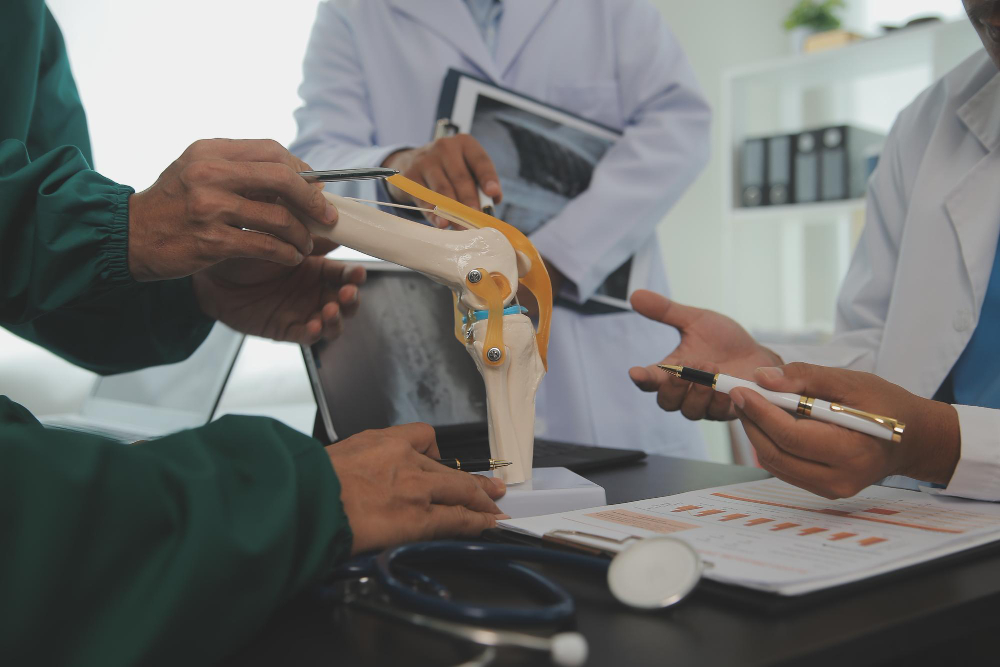
What is Total Knee Replacement?
Total knee replacement is a surgery that replaces a damaged knee joint with an artificial one. Doctors often suggest this procedure when knee pain and stiffness limit daily activities. Usually, people with severe arthritis or injury benefit the most. In many cases, total knee replacement helps restore movement and reduce pain. According to the CDC, this surgery is common and safe for most patients.
Symptoms and Signs Indicating the Need for Surgery
Sometimes, knee pain becomes hard to manage. In such cases, surgery may be needed. Look for these signs:
If you notice these symptoms, talk to your doctor. Early advice can help you plan the best treatment.
Causes Leading to Total Knee Replacement
Many factors can damage the knee joint. Often, these causes lead to the need for total knee replacement:
Because these causes can worsen over time, early care is important.
Diagnosis and Evaluation Process
First, your doctor will ask about your symptoms and medical history. Next, a physical exam checks your knee’s movement and strength. Often, doctors use X-rays or MRI scans to see the joint’s condition. Blood tests may also help rule out infections or other problems. After all tests, your doctor will decide if total knee replacement is right for you.
The Total Knee Replacement Procedure
Doctors follow several steps during total knee replacement. Here is a simple overview:
The surgery usually takes one to two hours. Most patients stay in the hospital for a few days.
Recovery Timeline and Rehabilitation Tips
Recovery from total knee replacement takes time. However, most people see steady progress. Here is what to expect:
To recover well, follow these tips:
Because recovery varies, always follow your doctor’s advice.
Risks, Complications, and How to Minimize Them
Like all surgeries, total knee replacement has some risks. Although most people recover well, possible complications include:
To lower these risks, doctors use strict safety steps. You can help by:
Always contact your doctor if you notice unusual symptoms.
Prevention and Lifestyle Guidance for Knee Health
While some knee problems cannot be avoided, you can protect your knees with healthy habits. Consider these tips:
Because prevention is better than cure, these steps may delay or avoid surgery.
In summary, total knee replacement can offer relief from pain and restore movement. However, it is important to understand the process, risks, and recovery. Consult Dr. Irfan’s THE KLINIK for personalized advice on total knee replacement.