
Introduction
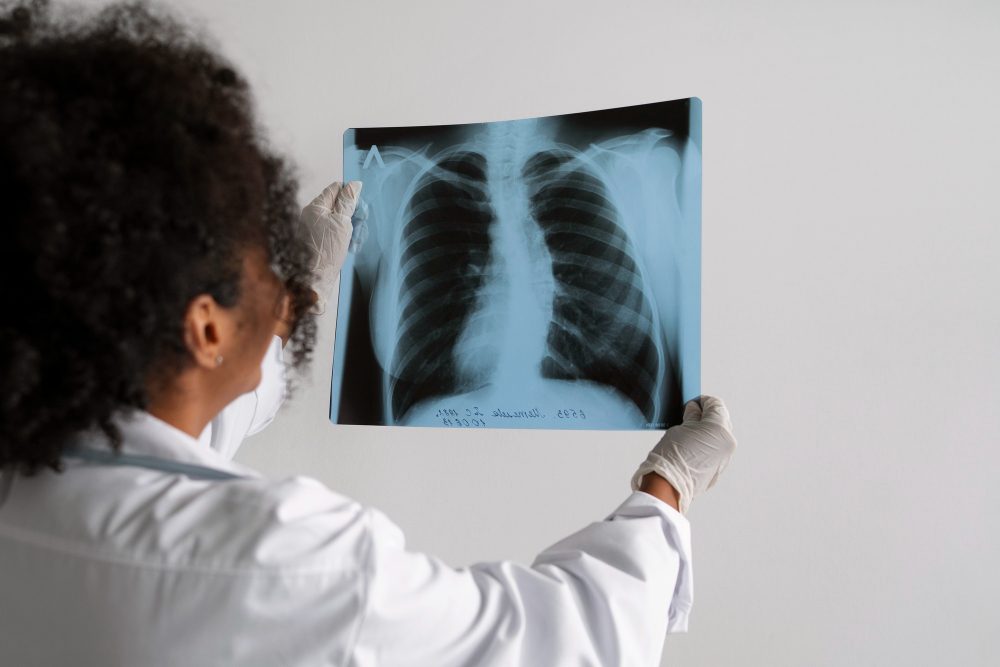
Tuberculosis, often called TB, is a serious disease that mainly affects the lungs. However, it can also harm other parts of the body. Many people around the world are at risk. In fact, the World Health Organization (WHO) reports that millions get sick with Tuberculosis each year. Because of this, knowing the symptoms, causes, and ways to prevent TB is very important. Early diagnosis and proper treatment can save lives. Let’s explore what you need to know about Tuberculosis.
What is Tuberculosis?
Tuberculosis is an infectious disease caused by bacteria called Mycobacterium tuberculosis. Usually, it spreads through the air when a person with active TB coughs or sneezes. While TB mostly affects the lungs, it can also reach the kidneys, spine, or brain. Not everyone who gets the bacteria becomes sick. Some people have what is called latent TB, which means the bacteria are in the body but not causing symptoms. Others develop active TB, which can make them very ill and spread the disease to others.
Symptoms of Tuberculosis
Recognizing the signs of Tuberculosis can help you seek care early. Symptoms may develop slowly, often over weeks or months. However, some people may not notice any signs at first. Common symptoms include:
Sometimes, TB can affect other organs. In these cases, symptoms depend on the area involved. For example, TB in the spine may cause back pain.
Causes & Risk Factors
Tuberculosis is caused by bacteria that spread through the air. When someone with active TB coughs, sneezes, or even talks, tiny droplets can carry the bacteria to others nearby. However, not everyone exposed will get sick. Several factors can increase your risk:
Because TB spreads easily in crowded or poorly ventilated spaces, prevention is key in these settings.
Diagnosis
Early diagnosis of Tuberculosis helps prevent its spread. If you have symptoms or have been exposed, your doctor may recommend several tests. Common ways to diagnose TB include:
Sometimes, more tests are needed if TB is suspected in other parts of the body.
Treatment Options
Tuberculosis can be cured with the right treatment. However, it is important to follow your doctor’s instructions closely. TB treatment usually involves taking several antibiotics for at least six months. The most common medicines include:
For drug-resistant TB, treatment may take longer and require different medicines. Missing doses or stopping treatment early can make the bacteria stronger and harder to treat. Therefore, always finish the full course of medicine, even if you feel better.
Prevention Tips
Preventing Tuberculosis protects you and those around you. Here are some helpful tips:
Additionally, good nutrition and a healthy lifestyle can help your body fight infection.
Living with Tuberculosis
Living with Tuberculosis can be challenging, but support and proper care make a big difference. While you are being treated, it is important to:
Family members and friends can help by offering support and encouragement. Remember, most people with TB can return to normal life after treatment.
Conclusion
In summary, Tuberculosis is a serious but treatable disease. Early detection, proper treatment, and prevention are key to stopping its spread. If you or someone you know has symptoms of TB, do not wait. Consult Dr. Irfan’s THE KLINIK for personalized advice on Tuberculosis. Your health and the health of your community matter.