
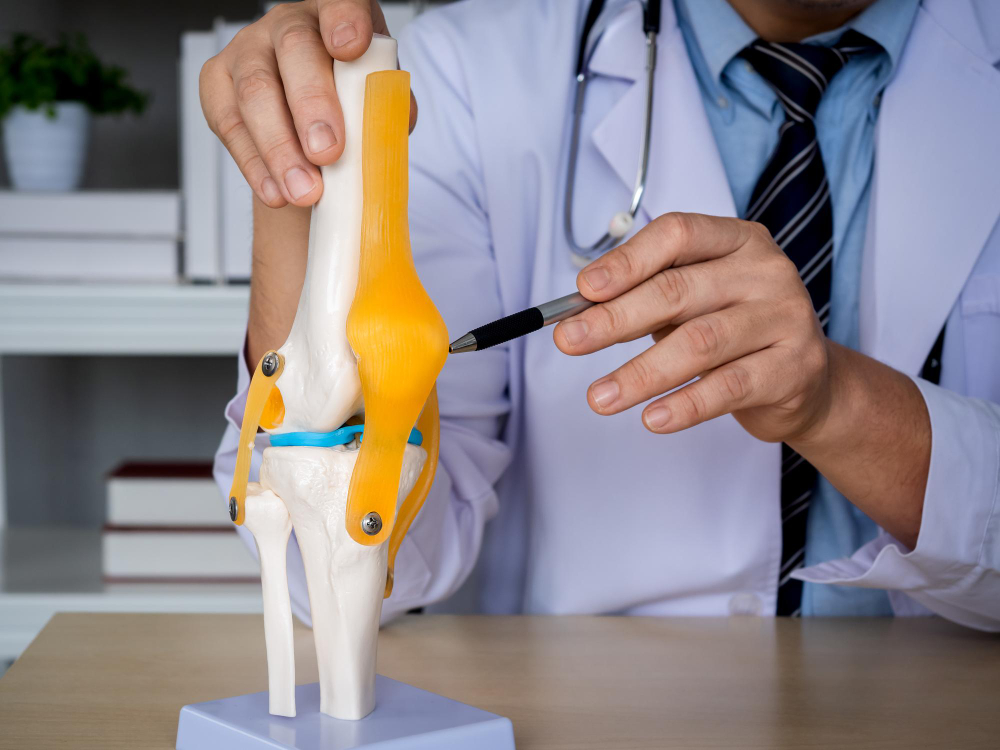
What is UKA?
Understanding UKA is important if you or a loved one has knee pain. UKA stands for unicompartmental knee arthroplasty. This is also called partial knee replacement. In this surgery, only the damaged part of the knee is replaced. The healthy parts of the knee stay as they are. Because of this, UKA is less invasive than total knee replacement. Many people find that UKA helps them move better and feel less pain.
Symptoms and Conditions Treated by UKA
Doctors may suggest UKA for certain knee problems. Usually, it is for people with damage in just one part of the knee. Common symptoms and conditions include:
However, not all knee pain needs UKA. Sometimes, other treatments work better.
Causes Leading to UKA Recommendation
Doctors recommend unicompartmental knee arthroplasty for several reasons. Often, the main cause is osteoarthritis. This is when the cartilage in one part of the knee wears away. As a result, bones rub together and cause pain. Other causes include:
Because UKA is less invasive, it is not for everyone. Your doctor will help decide if it is right for you.
Diagnosis and Candidacy for UKA
First, your doctor will check your knee. They may ask about your pain and how it affects your life. Next, they will look at your knee with X-rays or MRI scans. These tests show which part of the knee is damaged. To be a good candidate for UKA, you should:
Even so, your doctor will consider your age, activity level, and health before recommending UKA.
UKA Procedure: What to Expect
Before surgery, your doctor will explain the steps. On the day of UKA surgery, you will get anesthesia to keep you comfortable. The surgeon will make a small cut over your knee. Then, they will remove the damaged bone and cartilage. After that, they will place a metal and plastic implant in the knee. The healthy parts of your knee stay in place. Because the cut is small, recovery is often quicker than with total knee replacement.
Benefits and Risks of UKA
UKA surgery benefits many people. Some of the main advantages include:
However, there are some risks. These may include:
According to the American Academy of Orthopaedic Surgeons, most people do well after UKA. Still, it is important to talk with your doctor about the risks and benefits.
Recovery and Lifestyle After UKA
UKA recovery is usually faster than with full knee replacement. Many people go home the same day or after one night. Physical therapy starts soon after surgery. This helps you regain strength and movement. Most people walk with help at first. However, you may walk on your own within a few weeks. To help your recovery, you should:
After UKA, many people return to normal activities. Still, high-impact sports may not be safe. Always ask your doctor before starting new activities.
Prevention and Long-Term Joint Health
Even after UKA, you can protect your knee and other joints. Here are some tips for long-term joint health:
Because joint health is important, regular check-ups with your doctor can help catch problems early.
In summary, UKA can help many people with knee pain. However, it is not right for everyone. Consult an orthopedic specialist at Dr. Irfan’s THE KLINIK to learn if UKA is right for you.