
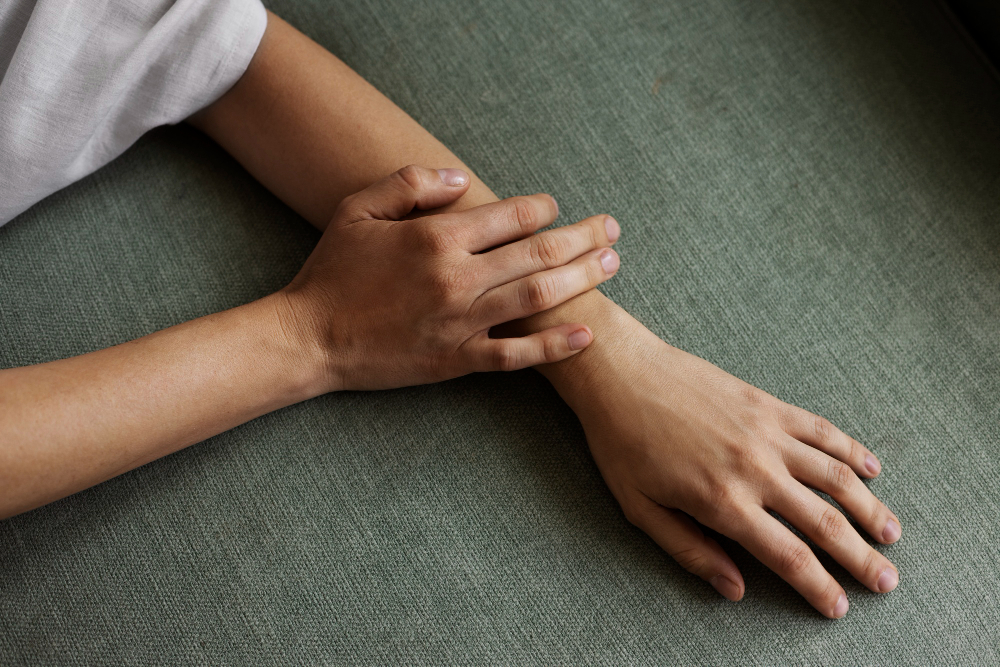
What is Wrist Drop?
Wrist drop is a condition where you cannot lift your hand at the wrist. Because of this, your hand hangs down, making daily tasks harder. Often, wrist drop happens when the radial nerve is injured. This nerve controls the muscles that lift your wrist. For many people, wrist drop is also called radial nerve palsy. Early care is important, so you can regain movement and strength.
Common Causes of Wrist Drop
Wrist drop can happen for several reasons. Usually, it is linked to problems with the radial nerve. However, other causes can also play a role. Knowing the cause helps guide the right wrist drop treatment.
Because causes vary, it is important to seek orthopedic care for wrist drop as soon as you notice symptoms.
Recognizing Symptoms of Wrist Drop
Wrist drop symptoms are usually easy to spot. Still, some signs may be mild at first. Early detection can help with better recovery.
Sometimes, symptoms may get worse over time. Therefore, do not ignore even mild changes in hand movement.
How Wrist Drop is Diagnosed
Doctors use several steps to diagnose wrist drop. First, they will ask about your symptoms and medical history. Next, they will do a physical exam to check muscle strength and feeling in your hand. Often, they may order tests to find the exact cause.
With these steps, your doctor can plan the best wrist drop treatment for you.
Treatment Options for Wrist Drop
Wrist drop treatment depends on the cause and how severe it is. Some people recover with simple care, while others need more help. Early treatment often leads to better results.
Because each case is different, orthopedic care for wrist drop should be tailored to your needs.
Tips for Daily Living and Prevention
Living with wrist drop can be challenging. However, there are steps you can take to make daily life easier and prevent further problems:
With these tips, you can protect your hand and support recovery.
In summary, wrist drop can affect your daily life, but early care and the right treatment can help. Consult an orthopedic specialist at Dr. Irfan’s THE KLINIK for personalized advice on wrist drop.